Written scope
Amperage, parts, and price before we schedule
An Electrical Panel Upgrade Citrus Heights CA homeowners can count on starts with a real load calculation, not a guess. If your breakers trip every time the dryer and microwave run together, or your panel is a 100-amp relic from the 1970s, we swap it for a modern 200-amp service built to current code. We serve homeowners across Sacramento County with same-day diagnostics and clear, upfront pricing.
A panel upgrade is more than the box on the wall. Here is what we cover on a standard residential swap, and what gets quoted separately because it depends on the condition of your service entrance.
We upgrade residential panels for homeowners and renters across Citrus Heights. The work covers the load calculation, the permit, the swap, and the inspection.
We handle service panel work for small commercial properties and multi-unit buildings in Citrus Heights. The scope is sized to the metered load and the tenant layout.
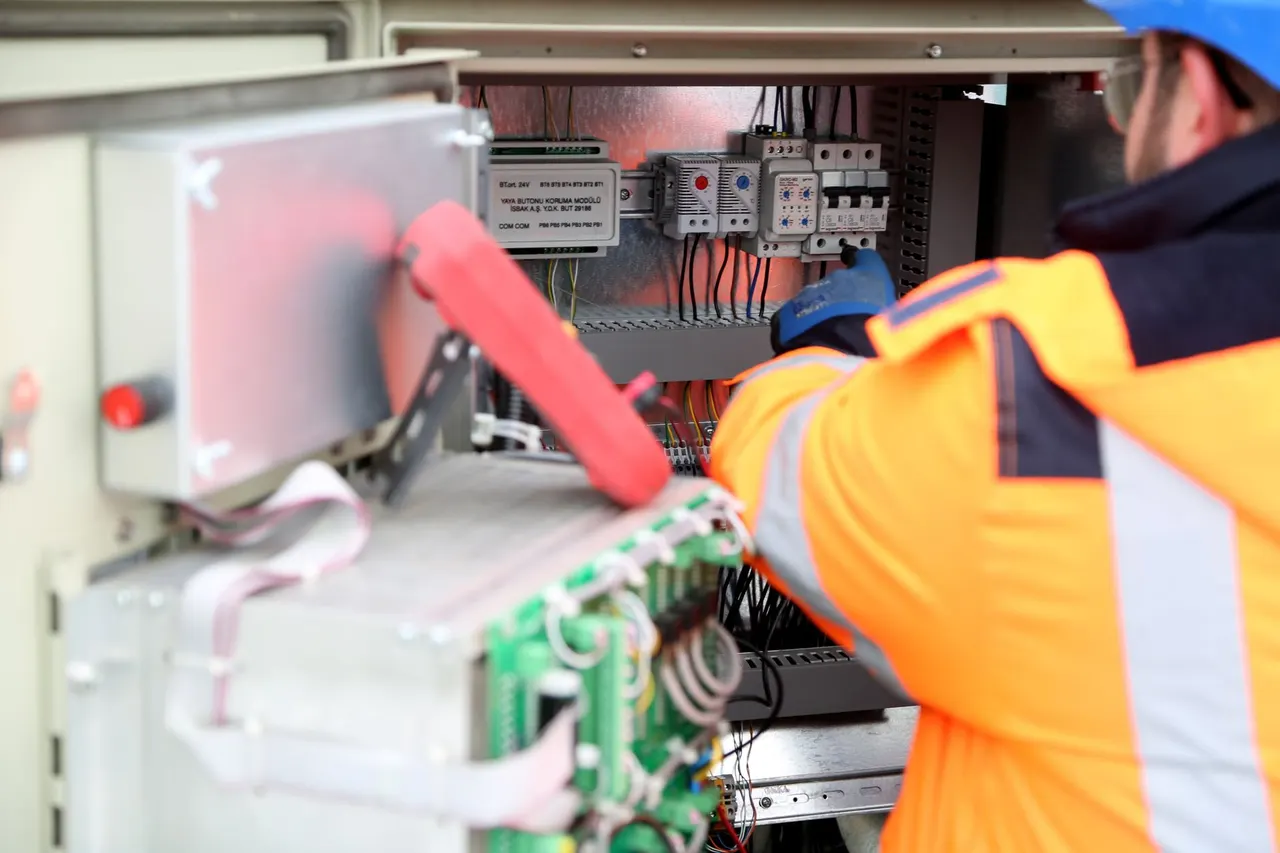
An Electrical Panel Upgrade Citrus Heights CA is the replacement of your home's main service panel, meter base, and main breaker with a modern assembly rated for today's electrical load. We pull the permit, coordinate with PG&E for the disconnect and reconnect, remove the old panel, mount the new one, torque every lug to spec, and label each circuit. Most homes go from 100 amps to 200 amps, which leaves headroom for an EV charger, a heat pump, or a kitchen remodel. The work usually takes one day on site, with a short power-off window while we transfer circuits.
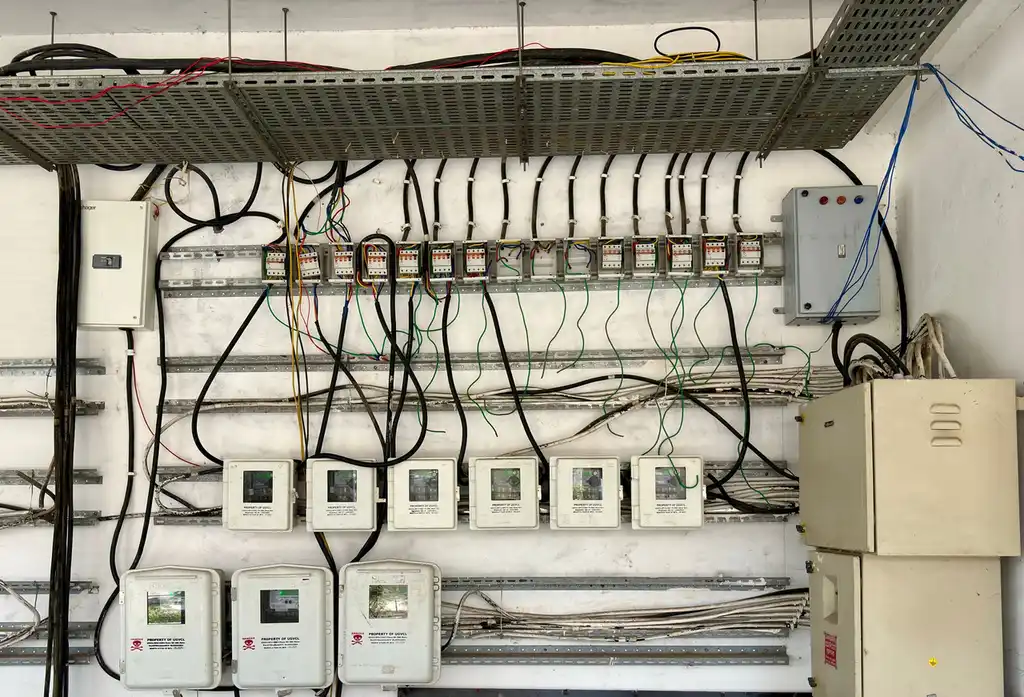
Citrus Heights has a lot of 1960s and 1970s tract housing around Birdcage Heights and Mesa Verde, and many of those panels are original. Add a Tesla wall connector, a mini-split, or a tankless water heater and a 100-amp panel runs out of spaces fast. Aluminum branch wiring and old fuse boxes show up in the older pockets too, and neither plays well with modern AFCI breakers. If you have been searching for an electrical service panel upgrade near me Citrus Heights, the honest answer is that the cost to upgrade Electrical Panel in Citrus Heights CA is almost always less than repairing fire damage later.
A panel swap is a load calculation first and a box second, because the number has to hold up to inspection.
You get a written scope before we touch anything, a scheduled power-off window, and a walkthrough at the end. Here is the sequence from first call to final inspection.
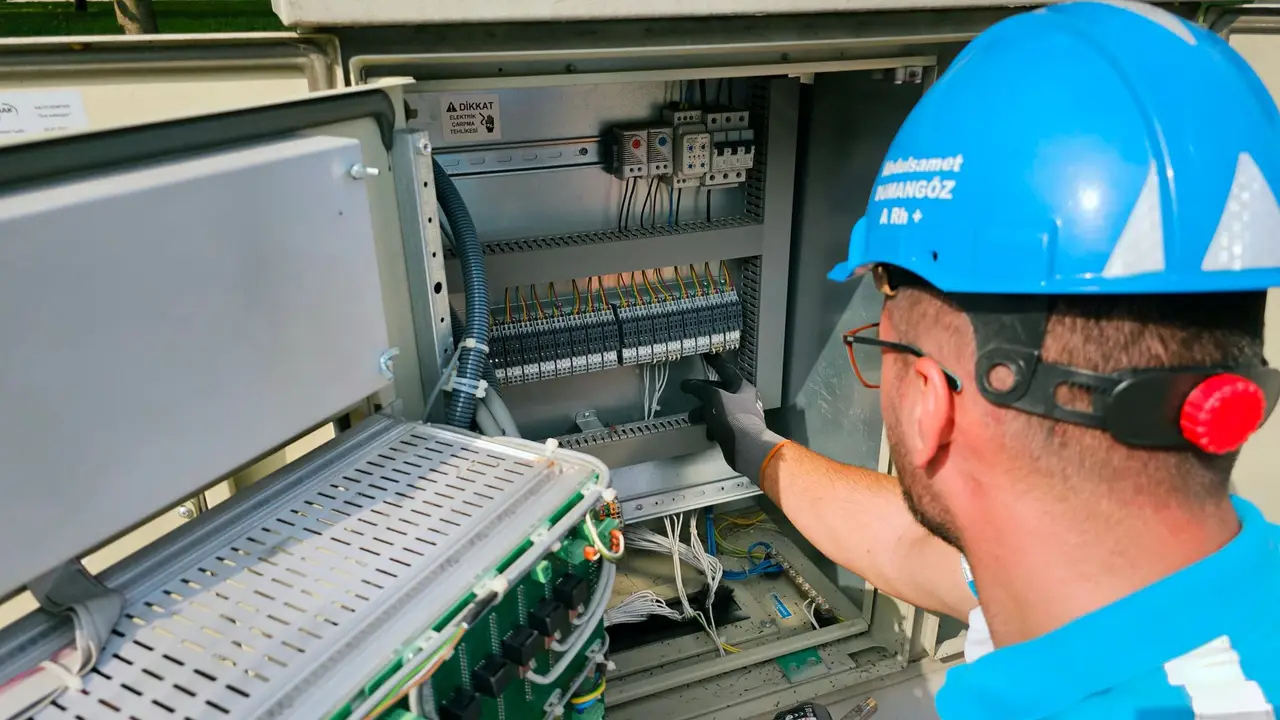
We ask what is tripping, what you are adding, and what year the house was built. Within a few minutes we can usually tell you whether you need a repair or a full replacement. If it sounds like an emergency, we prioritize the visit.

A technician walks the panel and the major appliances, then runs a load calculation per NEC Article 220. We check the meter base, the grounding electrode, and the service mast. You get a written scope with the amperage recommendation and the price before we schedule the work.
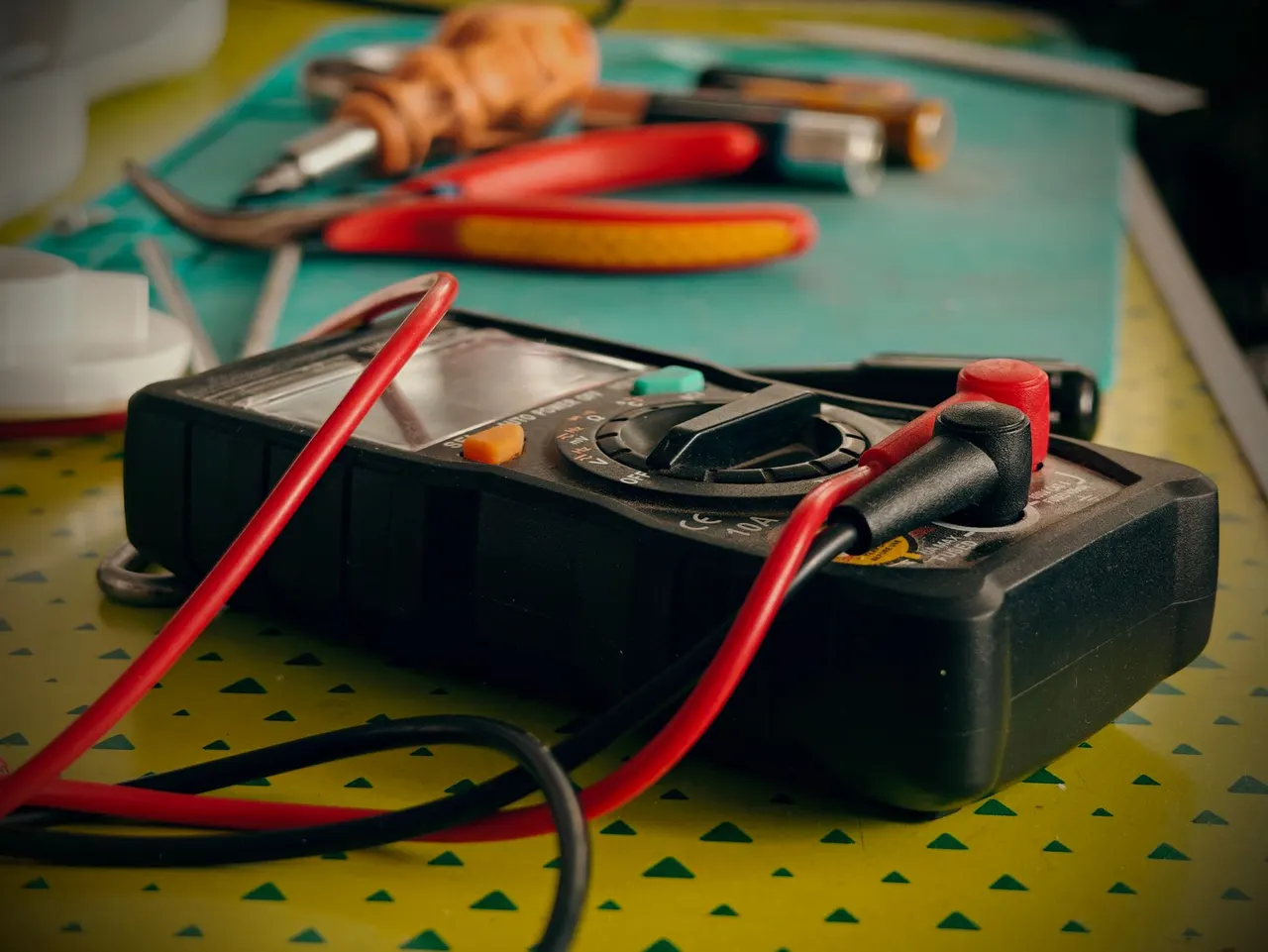
We file the permit with the city and schedule the PG&E disconnect. You do not make those calls. We confirm the date, tell you exactly how long the power will be off, and remind you to back up anything on a desktop computer.

The crew arrives in the morning, sets up drop cloths, and pulls the meter. We remove the old panel, mount the new one, land the feeders, and terminate every branch circuit. Each breaker gets labeled with a circuit breaker finder and a printed directory goes on the door.
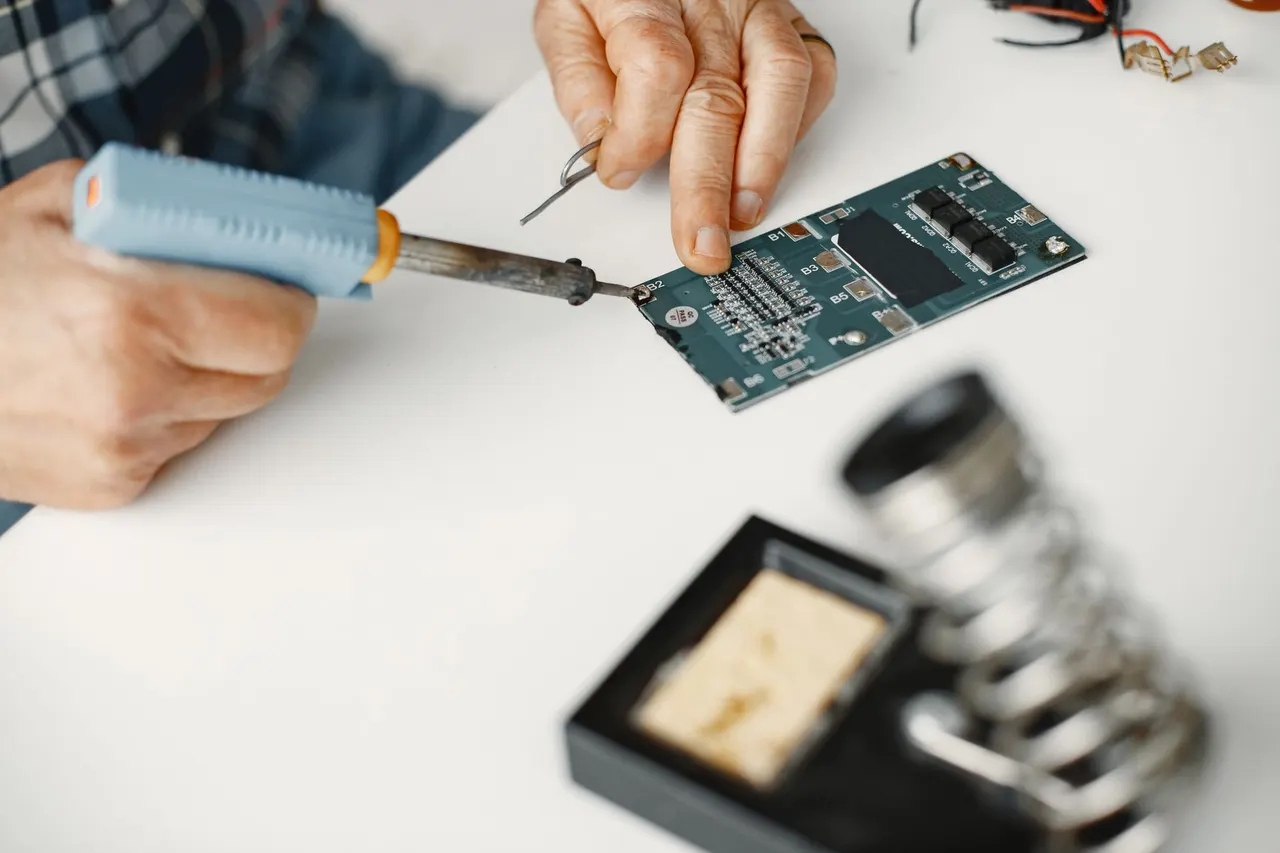
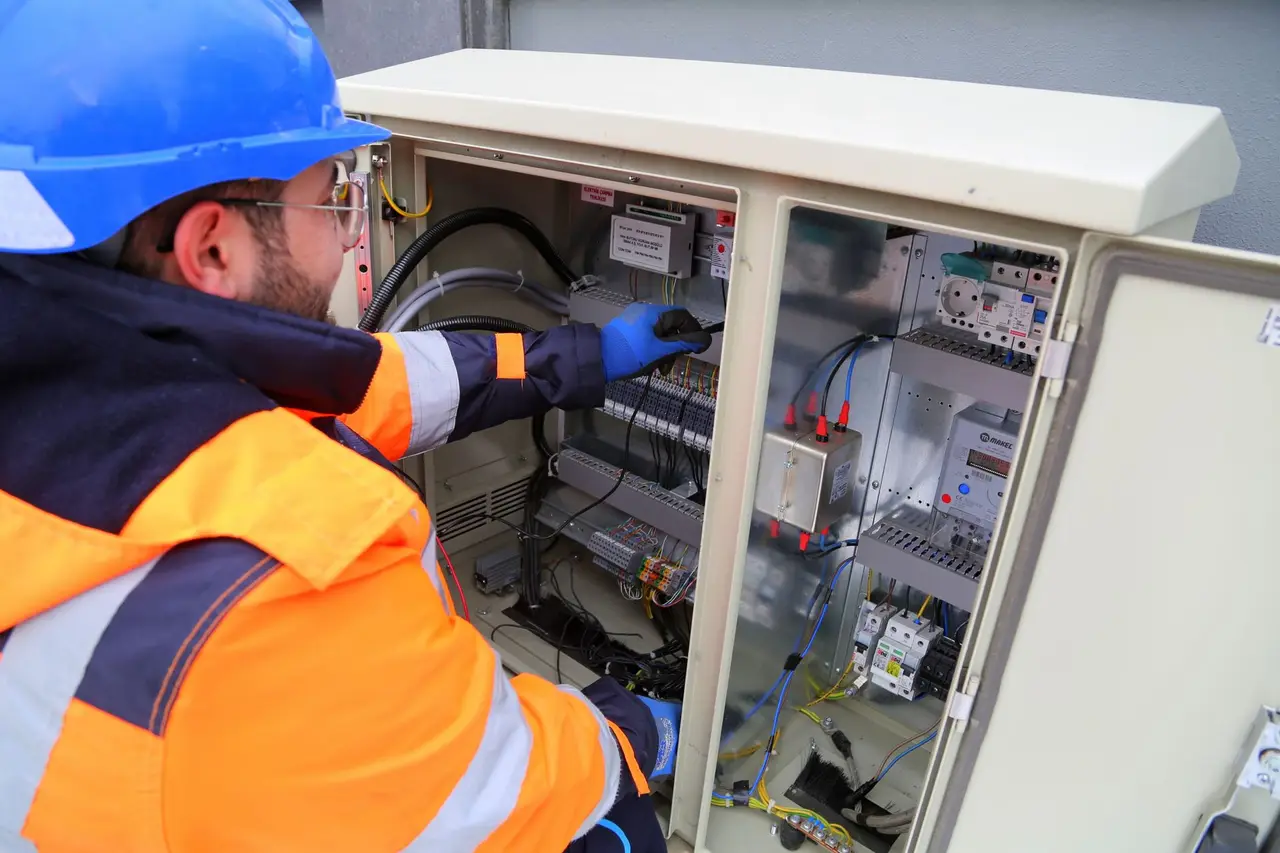
We torque lugs with a calibrated wrench, test every GFCI receptacle, and verify voltage at the panel with a Fluke meter. The city inspector signs off, PG&E reconnects, and we walk the panel with you before we leave.
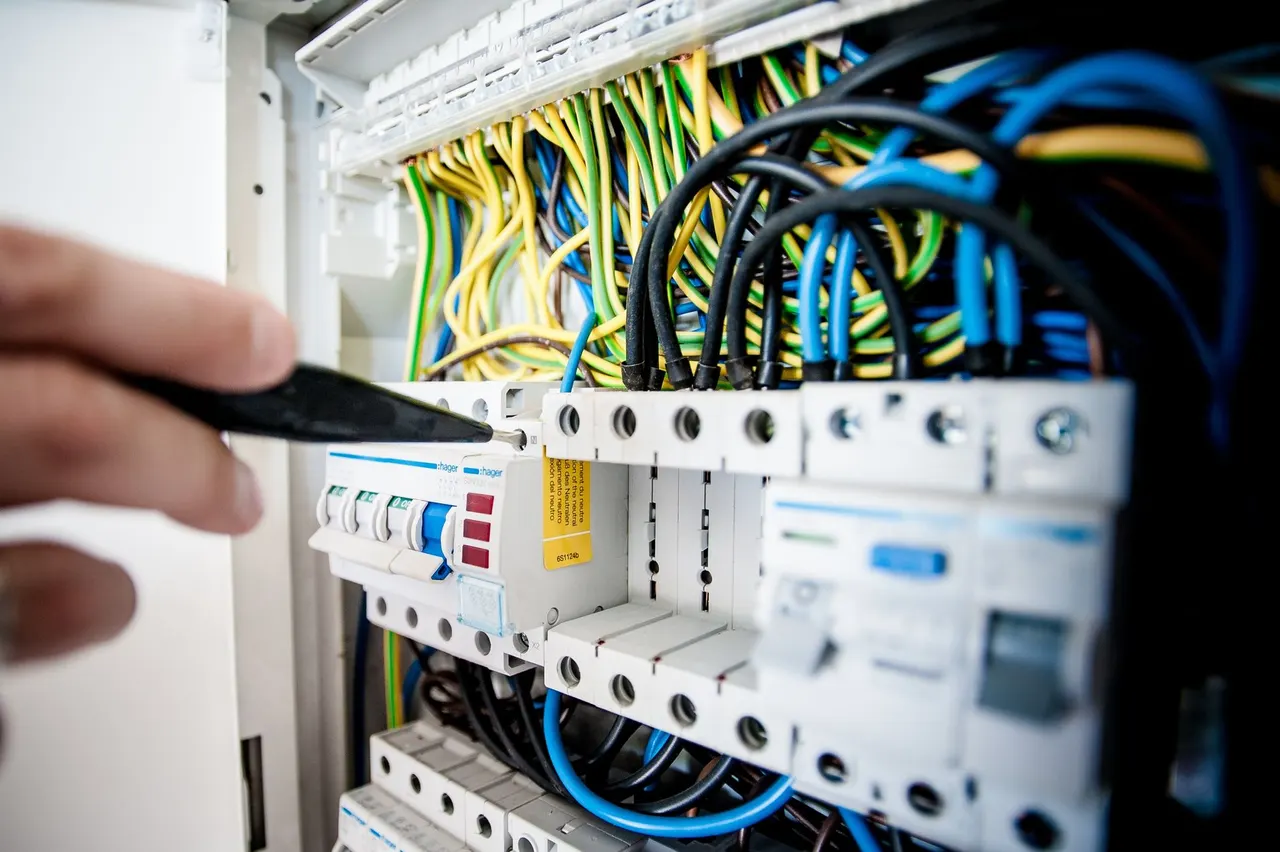
Measures actual current on each circuit so we can see which loads are pulling more than they should and confirm the panel is balanced after the swap.
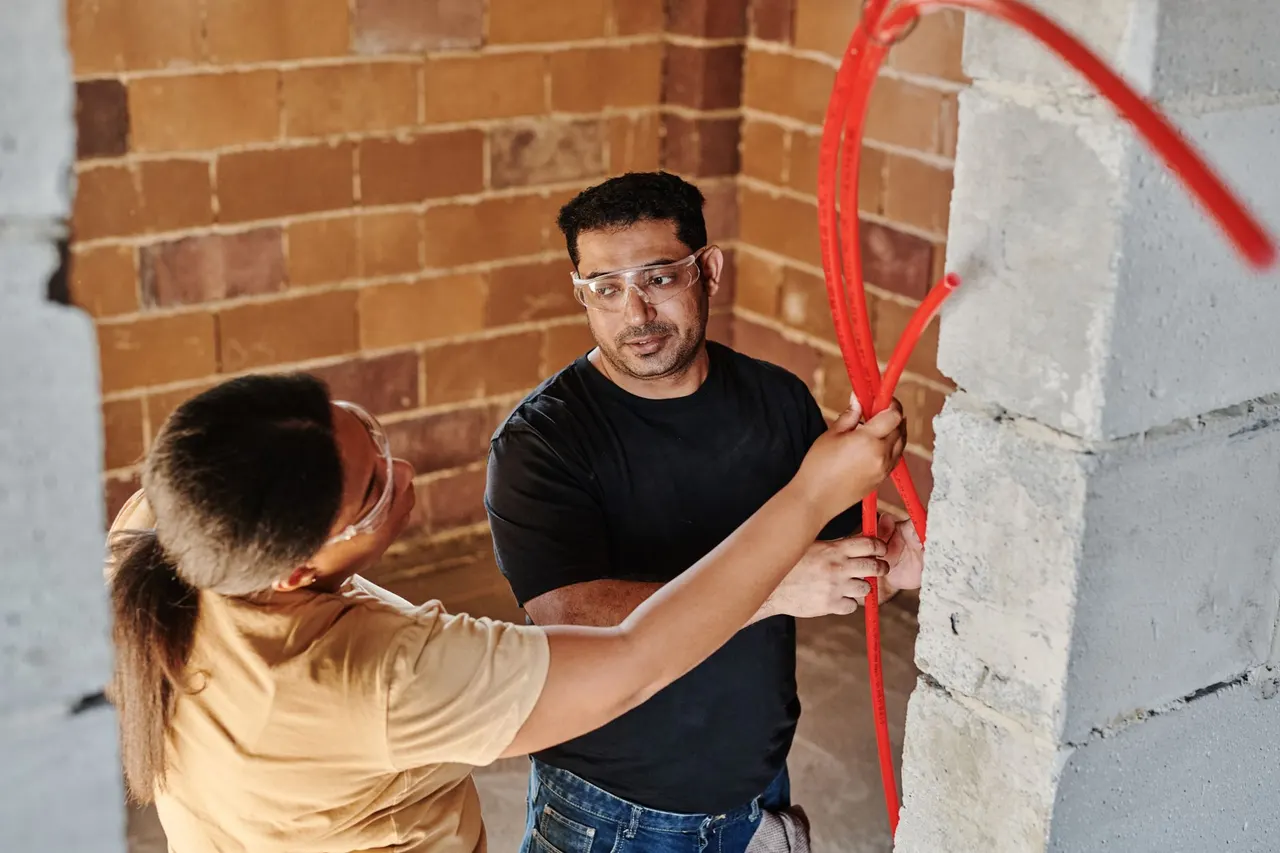
Used for every termination inside the panel. Insulated handles are required practice under NFPA 70E when working near energized equipment.
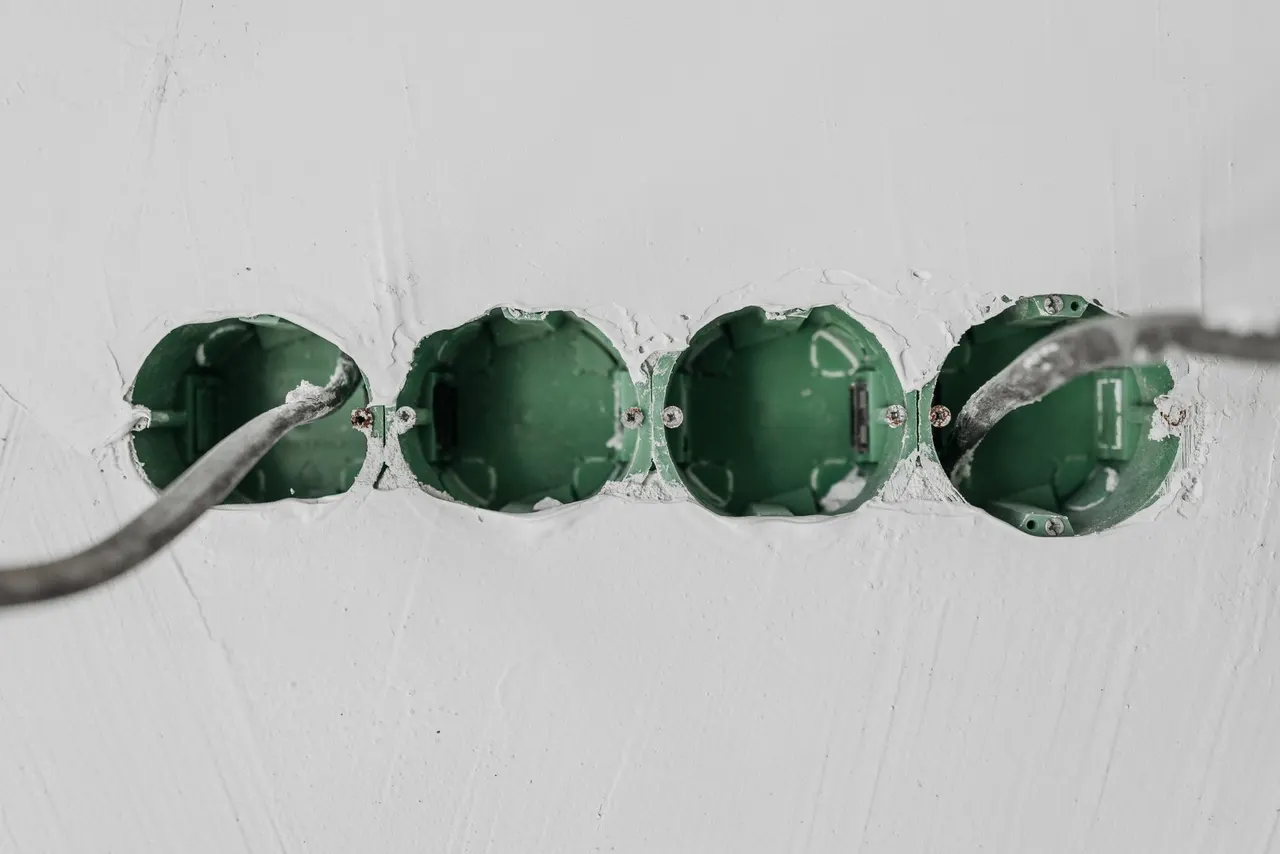
Traces each branch circuit to its breaker so the new panel directory is accurate instead of guessed at.
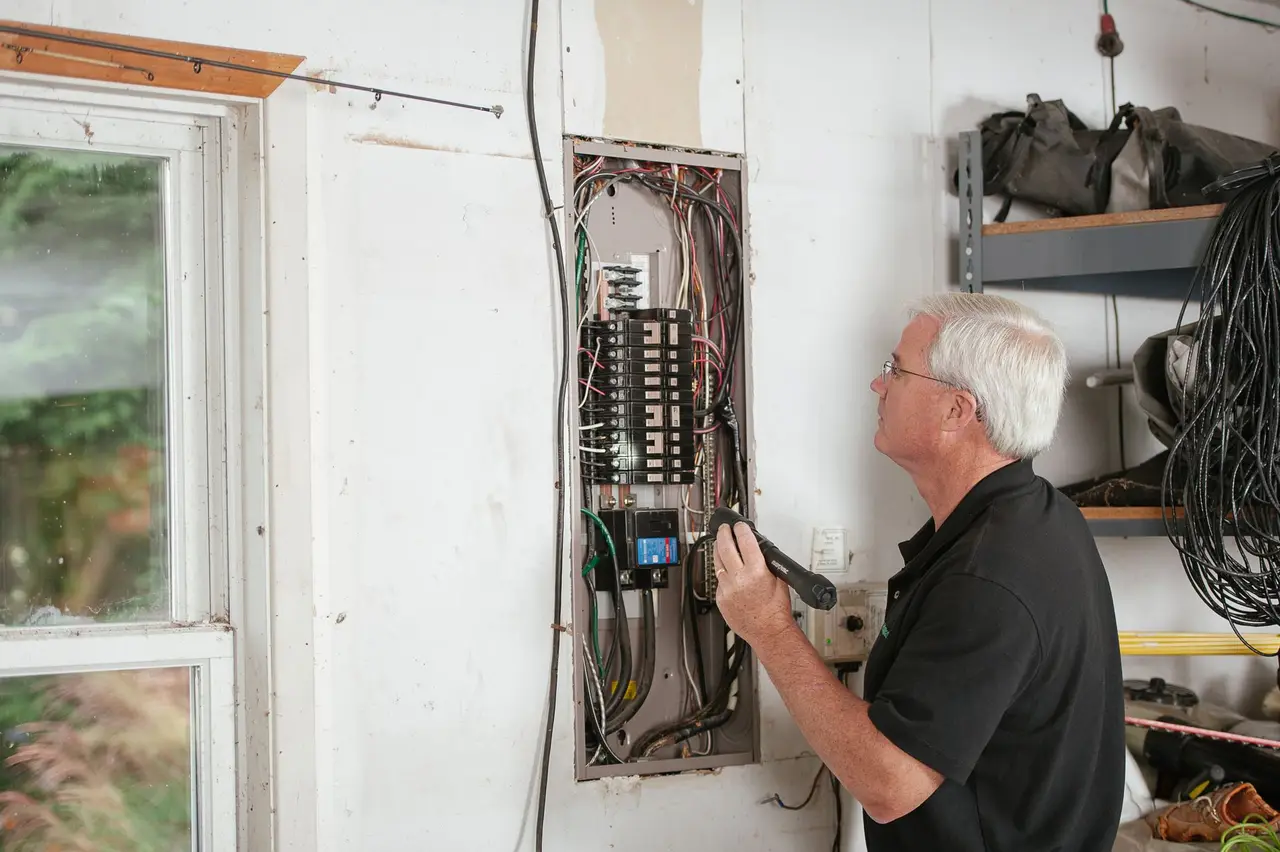
Every lug is torqued to the manufacturer's published spec. Under-torqued lugs loosen and overheat; over-torqued lugs damage the aluminum or copper conductor.
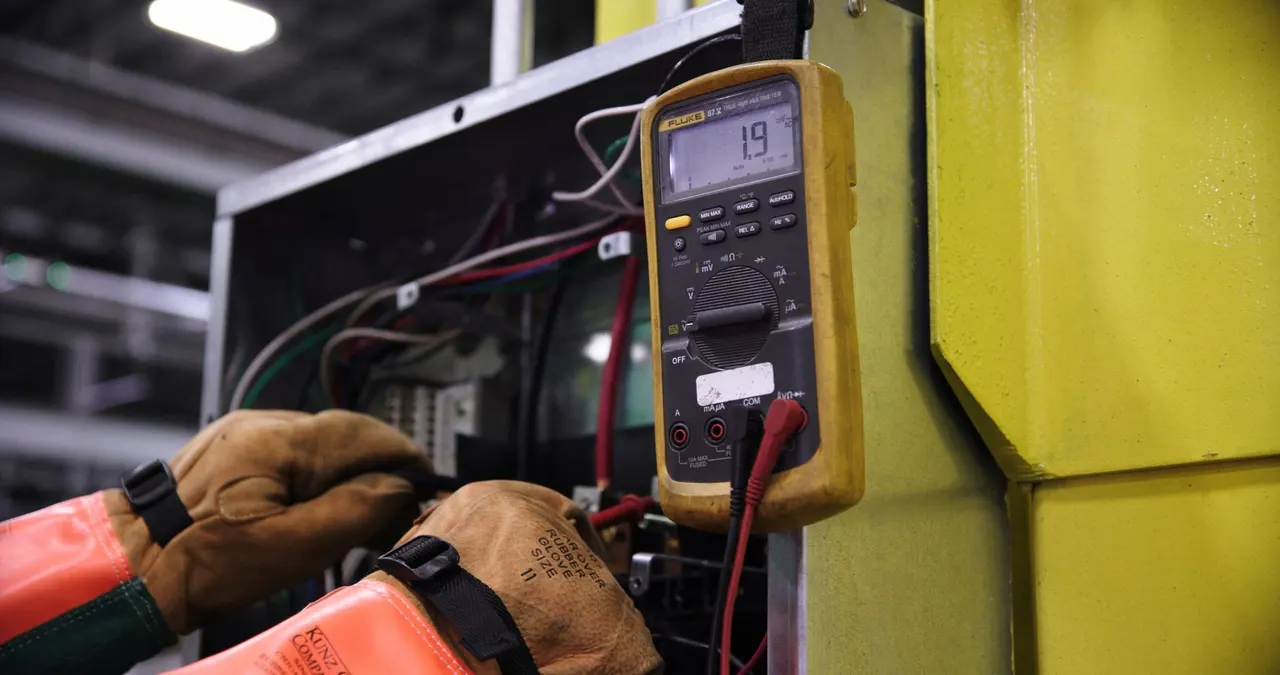
Confirms every GFCI receptacle trips and resets correctly after the panel is energized, which the inspector will check.
Used to run new EMT or PVC conduit for service mast work and to pull new conductors through existing walls without opening drywall.

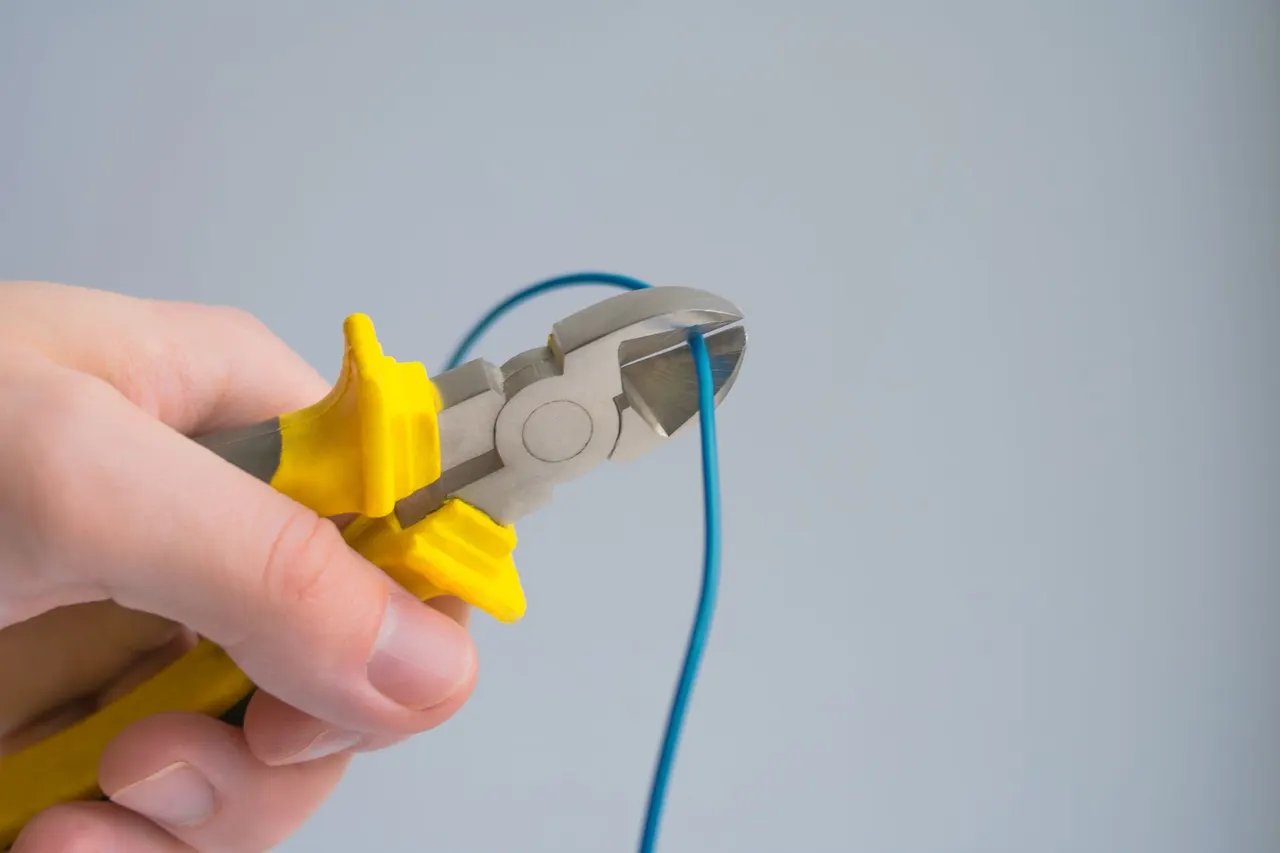
Cuts clean openings for new conduit entries and strips Romex NM-B cable sheathing without nicking the conductors inside.
We total the general lighting load, small appliance circuits, and named appliances, then apply the demand factors the code allows. The result tells us whether 200 amps is enough or whether the house needs a 320-amp service.
We run the load calculation, upgrade to a 200-amp panel with a 225-amp bus, and install the charger circuit on its own breaker. The charger gets the 48 amps it needs without starving the rest of the house. You charge overnight at full rate, and the rest of the house runs normally while the car is charging.
We plan the new circuits, confirm the panel can carry them, and upgrade the service if it cannot. Permits are pulled before the drywall goes back up so the inspection is clean. The remodel passes inspection the first time, and the new appliances run on properly sized dedicated circuits.
We inspect the existing panel, document what is there, and replace it if it is a recalled or obsolete model. You get photos of the finished, labeled, permitted panel to send back to underwriting. The policy renews without a fight, and the panel is one less thing to worry about at resale.
Heat pumps pull significant amperage on startup. We calculate the added load, upgrade the panel if needed, and run the dedicated circuit for the outdoor unit. The heat pump runs through the winter without tripping the main, and the panel has headroom for the next upgrade.
Citrus Heights sits in Sacramento County, and the housing stock tells the story. The tracts built in the 1960s and 1970s around Birdcage Heights and Mesa Verde were wired for a much smaller electrical load than a modern household pulls. Add a heat pump for the hot Sacramento Valley summers and an EV charger for the commute, and a 100-amp panel runs out of room. Summer afternoons push the AC hard, which is when overloaded circuits show themselves. On the utility side, some streets have overhead service drops and others have underground laterals, and that changes how we schedule the PG&E disconnect. If you have been searching for electrical panel replacement near me Citrus Heights California, the permit and utility sequence is the part most homeowners underestimate. We handle both, and we know which neighborhoods tend to have aluminum branch wiring that needs attention during the swap.
A 1971 ranch home in Birdcage Heights with an original 100-amp panel, no open breaker slots, and a dryer circuit that tripped weekly. The homeowner wanted to add a Level 2 EV charger but had nowhere to land the circuit.
We installed a 200-amp Square D panel with a 225-amp bus, moved the dryer to a dedicated circuit, and added a 60-amp charger circuit. The main breaker now runs at about 40 percent of capacity on a peak summer afternoon.
Keep the panel door closed, check the breaker directory once a year, and have the lugs re-torqued if you notice any warm spots or buzzing at the panel.
A 1965 home still running a 60-amp fuse box with four Edison-base fuses. The insurance carrier had flagged it and threatened non-renewal. Adding a dishwasher meant pulling a fuse every time it ran.
We replaced the fuse box with a 200-amp breaker panel, installed AFCI breakers on the bedroom circuits and GFCI protection in the kitchen and baths, and brought the grounding electrode up to code. The policy renewed without an issue.
Test the GFCI receptacles monthly with the test button, and keep the area around the panel clear of storage so the breakers stay accessible.
A homeowner in Downtown Citrus Heights called after the main breaker would not reset and the panel was warm to the touch. The house was on a 100-amp service with a scorched bus bar and two double-tapped breakers from past DIY work.
We made the service safe the same day, then returned with the permit to install a 200-amp panel. The double-tapped breakers were corrected with a tandem breaker and a new dedicated circuit. Power was restored the same afternoon.
If the main breaker ever trips, do not hold it in the on position. Reset it once, and if it trips again, call us before resetting a second time.
Most panel calls start with a symptom the homeowner has been living with for months. Here are the ones we see most often in Citrus Heights, and what happens if they are ignored.
We run a load calculation, then upgrade the service to 200 amps and move heavy appliances onto dedicated circuits. The nuisance trips stop, and the panel stops running hot. You reset the panel two or three times a week, and the repeated overload heats the bus bar and breaker terminals over time.
We open the panel, inspect every termination with a clamp meter, and re-torque or replace what is loose. If the bus bar shows heat damage, we quote a full panel replacement instead of a patch. A loose neutral or a failing breaker connection can arc inside the panel. Arcing is the mechanism behind most residential electrical fires.
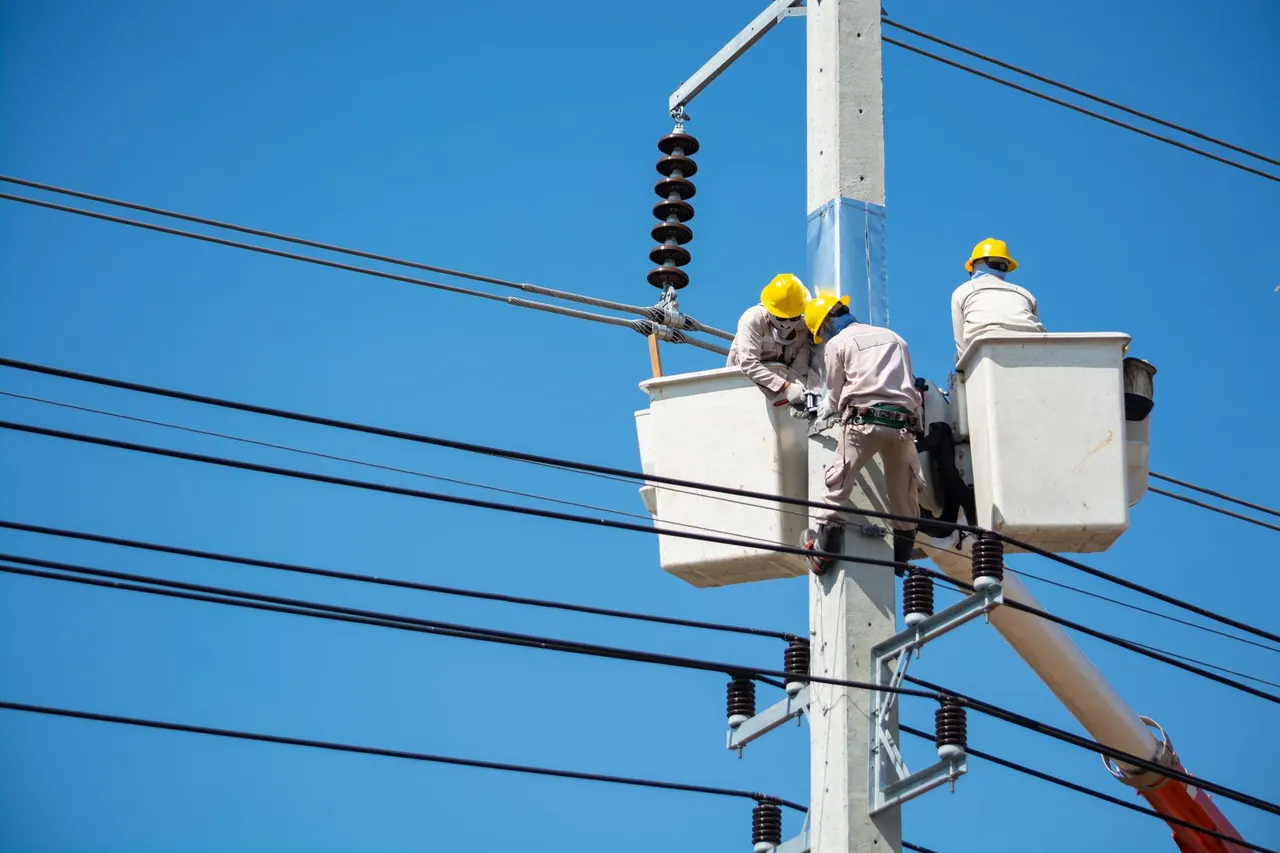
We do an old fuse box to breaker panel upgrade Citrus Heights CA homeowners need, replacing the fuse block with a modern breaker panel and bringing the grounding up to code. Fuse boxes cannot accept AFCI or GFCI breakers, and insurers increasingly refuse to write policies on them. Adding any new appliance means pulling a fuse.
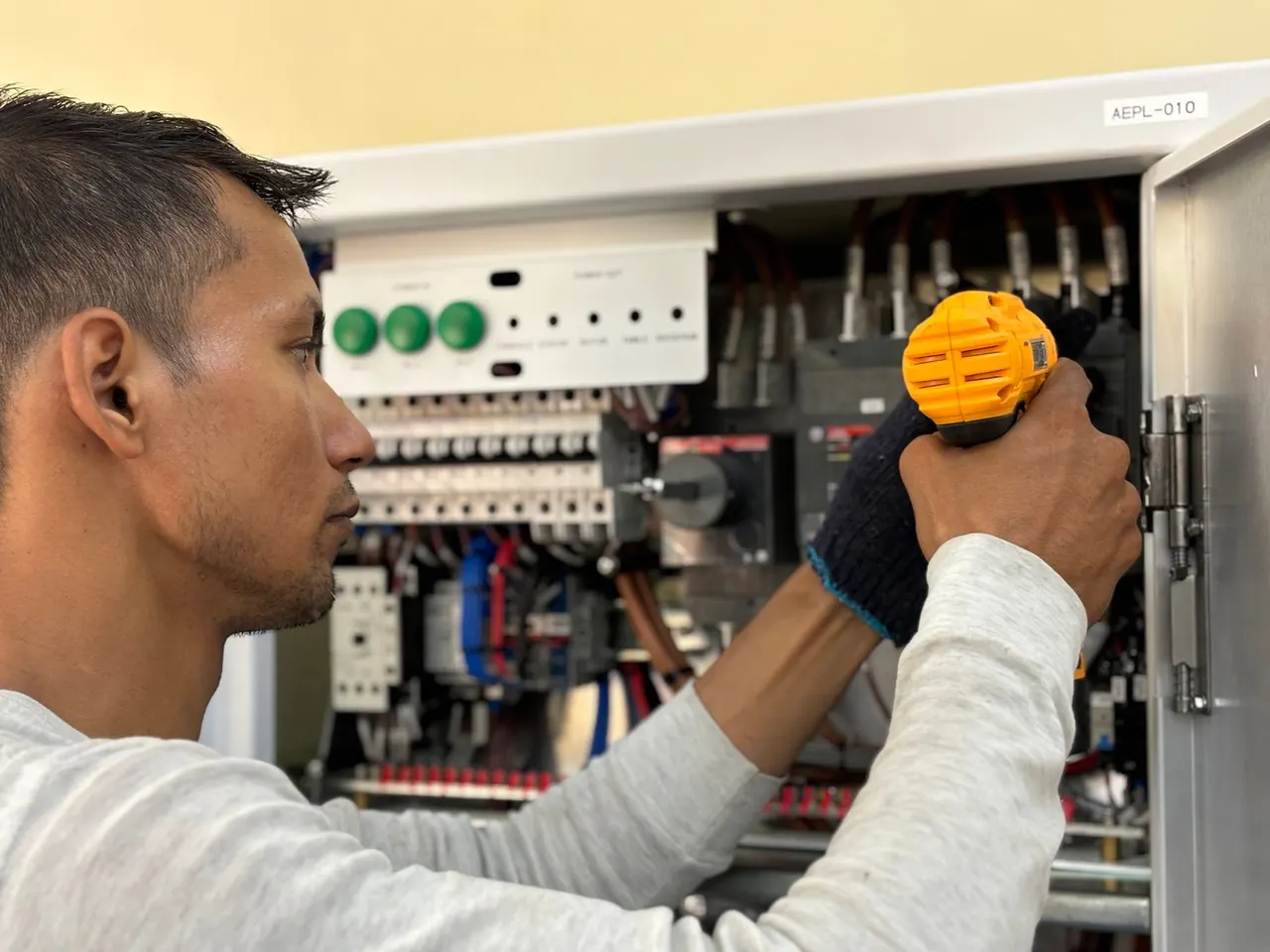
We inspect every aluminum termination, install approved connectors where the wire is sound, and rewire the circuits that cannot be made safe. The panel upgrade happens in the same visit. Aluminum expands and contracts more than copper, and terminations loosen over decades. Loose aluminum connections are a known fire risk.
A 200 amp panel upgrade Citrus Heights CA gives you roughly double the amperage of a 100-amp service. That means the dryer, range, AC, and EV charger can run without fighting each other. We size the service with a real load calculation, so you are not paying for capacity you will never use.
Overloaded circuits are the number one reason breakers trip on a hot afternoon. Splitting heavy loads onto dedicated circuits and installing AFCI breakers where code requires them stops the nuisance trips. You stop resetting the panel and start using your appliances normally again.
Adding a Level 2 charger or a solar inverter usually needs two open breaker slots and spare capacity. A modern panel with a 225-amp bus gives you both. We plan the layout so a future Generac transfer switch or battery backup can be added without a second panel swap.
Carriers increasingly ask for photos of the panel before they will bind a policy. A labeled, code-compliant Square D or Eaton panel with a permitted inspection sticker answers those questions. It also removes an objection when you sell, because buyers' inspectors flag old fuse boxes immediately.
Clear records you can keep and share.
Amperage, parts, and price before we schedule
Filed and met by us, card left at the panel
Every breaker traced and printed inside the door
The amperage number on the new panel matters less than the load calculation behind it. A 200-amp panel on a house that needs 320 amps will still trip.
The main breaker sets the amperage, but the bus bar sets the ceiling. A 200-amp panel with a 225-amp bus gives you room to grow without a second swap.
A single failed breaker is a repair. A scorched bus bar, a recalled panel brand, or a fuse box is a replacement. We tell you which one you are looking at.
An inspected panel swap leaves a record the city can find. That record answers insurance questions and buyer questions years later without a second inspection.

Outside these areas? Call and ask, we may still reach you. (866) 273-0386
Most residential panel upgrades in Citrus Heights run $2,200 to $4,800 in 2026, with a straightforward 200-amp overhead service swap landing near the middle of that range. Underground laterals, meter base replacement, and long feeder runs push the number up. A panel replacement near me Citrus Heights California quote should always include the permit, the inspection, and the utility coordination, so compare full scopes rather than headline prices.
You need one if your panel is a fuse box, if it is a 100-amp service and you are adding an EV charger or heat pump, if breakers trip repeatedly under normal load, or if you see rust, scorching, or double-tapped breakers inside. Federal Pacific and Zinsco panels are also replacement candidates regardless of amperage. If none of those apply, a repair or a subpanel may be the better call.
The on-site work is typically one day, usually six to eight hours, with power off for four to six of those hours. The full timeline from signed scope to final inspection runs one to three weeks, because the permit and the PG&E disconnect have to be scheduled. Same-day Electrical Panel Upgrade Citrus Heights CA service is available for emergency situations where a panel has failed or is arcing.
Yes, and 200 amps is the standard target for most Citrus Heights homes. A 200 amp Electrical Panel Upgrade Citrus Heights CA gives you roughly double the capacity of a 100-amp service and enough open slots for an EV charger, a heat pump, and a future battery backup. We confirm the service mast, meter base, and grounding electrode can handle the increase before we quote it.
Call (866) 273-0386 and we will tell you on the phone whether you need a repair or a full replacement. Every panel swap we do is permitted, inspected, and warrantied, with the old panel hauled away. Same-day diagnostics available for panels that are hot, buzzing, or arcing.
Call us at (866) 273-0386 or send an email to [email protected]. We answer the phone during business hours and triage emergency calls after hours. Most repair jobs get scheduled same-day or next-day, and panel work gets a written quote before we order anything.